



Last reviewed by Dr. Dusan Sajic, MD, FRCPC, FAAD on 2026-05-08.
As a shopping editor who covers beauty, I've had many conversations with dermatologists and aestheticians about skin-care routines. The one thing they always recommend? Vitamin C. Despite the serum formulas smelling like hot dogs, the antioxidant is pretty much an all-in-one, targeting hyperpigmentation, fine lines, and sun damage. However, there's a lot to consider when trying them out. Since nobody wants to mess up their skin barrier, we reached out to Dr. Angela Lamb, M.D., Dr. Dusan Sajic, M.D., Ph.D., and Dr. Loretta Ciraldo, M.D., F.A.A.D., to help you pick the right vitamin-C serum for your face.
The Collagen-Boosting One
Vivier Skin C E Peptides — Featuring a low but not too low percentage of L-ascorbic acid (10 percent), this recommendation from Sajic is on the gentler side, but reviewers also love the collagen-boosting peptides that help smooth skin.
The Moisturizing One
ZO Skin Health 10% Vitamin C — Featuring tetrahexyldecyl ascorbate and additional antioxidants for skin protection, you'll also find squalane in this pick from Sajic.
Read more of the original roundup at The Cut.
Dr. Sajic's Expanded Vitamin C Guide (Updated May 2026)
Vitamin C science has moved fast since this roundup was first published. Below, Dr. Sajic answers the questions readers ask most often about choosing a vitamin C serum in 2026, plus a side-by-side comparison of the major vitamin C forms used in topical formulations.
How the Main Forms of Vitamin C Compare
Not every "vitamin C serum" uses the same molecule. The form matters: L-ascorbic acid is the most studied and most potent, but also the most unstable and most irritating. Derivative forms trade potency for tolerability or stability.
| Form | Effective Range | pH Required | Stability | Best For |
|---|---|---|---|---|
| L-ascorbic acid (LAA) | 10–20% | < 3.5 | Low (oxidizes) | Maximum efficacy, tolerant skin |
| Tetrahexyldecyl ascorbate (THDA) | 3–10% | Neutral (5–7) | High | Sensitive skin, oil-soluble formulations |
| Sodium ascorbyl phosphate (SAP) | 2–5% | Neutral (6–7) | High | Acne-prone, sensitive skin |
| Magnesium ascorbyl phosphate (MAP) | 3–10% | Neutral (6–7) | High | Hyperpigmentation, dry skin |
| Ascorbyl glucoside | 2–5% | Neutral | Very high | Daily-use stable serums |
| 3-O-Ethyl ascorbic acid | 1–5% | Slightly acidic | Very high | Brightening, photoaging |
Vitamin C Serum FAQ — Answered by Dr. Sajic
What percentage of vitamin C is most effective?
For L-ascorbic acid, the clinically validated effective range is 10–20%. Below 8%, results are minimal; above 20%, irritation rises sharply without additional benefit. The landmark Pinnell formulation studies established 15% L-ascorbic acid at pH 3.5 with vitamin E and ferulic acid as the benchmark for photoprotective antioxidant serums. Derivative forms work at lower concentrations because they are gentler on skin and remain stable at neutral pH.
Can you use vitamin C and niacinamide together?
Yes. The old myth that vitamin C and niacinamide "cancel each other out" is based on 1960s lab data using unrealistic temperatures and concentrations. In modern stabilized formulations, both ingredients are compatible and complementary — vitamin C for antioxidant defense and pigment control, niacinamide for barrier support and redness reduction. They can be layered or used in the same formulation.
Should vitamin C serum be used in the morning or evening?
Both are clinically supported, but morning application has the strongest evidence. Topical vitamin C reduces UV-induced free radical damage when applied 20+ minutes before sun exposure, making AM use the most strategic time. Evening application is fine for pigment control and collagen support, but loses the photoprotective synergy with sunscreen.
What is the best form of vitamin C for sensitive skin?
For sensitive skin, tetrahexyldecyl ascorbate (THDA) and sodium ascorbyl phosphate (SAP) are the most tolerable forms. Both work at neutral pH (5–7) instead of the acidic pH 3.5 required by L-ascorbic acid, which is the source of most vitamin C-related stinging. THDA is also oil-soluble and penetrates the lipid barrier more gently than water-soluble forms.
How long does it take to see results from a vitamin C serum?
Brightness and hyperpigmentation improvements typically appear at 8–12 weeks with consistent daily use. Collagen-related changes (firmness, fine lines) take longer — 12–16 weeks at minimum. Antioxidant effects are immediate but invisible; you protect today's skin from today's UV damage every day you apply.
How can you tell if a vitamin C serum has gone bad?
L-ascorbic acid oxidizes when exposed to light, air, and heat — the serum turns yellow, then orange, then brown. Yellow is still functional; orange has lost meaningful potency; brown should be discarded. Derivative forms (THDA, SAP, MAP) are far more stable and rarely change color. Store all vitamin C serums in cool, dark conditions and finish within 3–6 months of opening.
Can you use vitamin C with retinol?
Yes, but not in the same application. Vitamin C performs best at acidic pH; retinol performs best at neutral pH; combining them in the same routine timeframe can blunt both. The standard dermatologist protocol is vitamin C in the morning, retinol at night. This sequence respects each ingredient's optimal pH environment and reduces irritation risk.
Related Reading from Sajic Skin Science
- Clinical Evaluation of Bakuchiol for Sensitive Skin — Dr. Sajic's peer-reviewed paper on a vitamin-C-compatible alternative to retinol
- How a Multi-Active Serum Boosts Skin Moisture 172%
- Skin-Protective Nutraceuticals: The Current Evidence in Brief
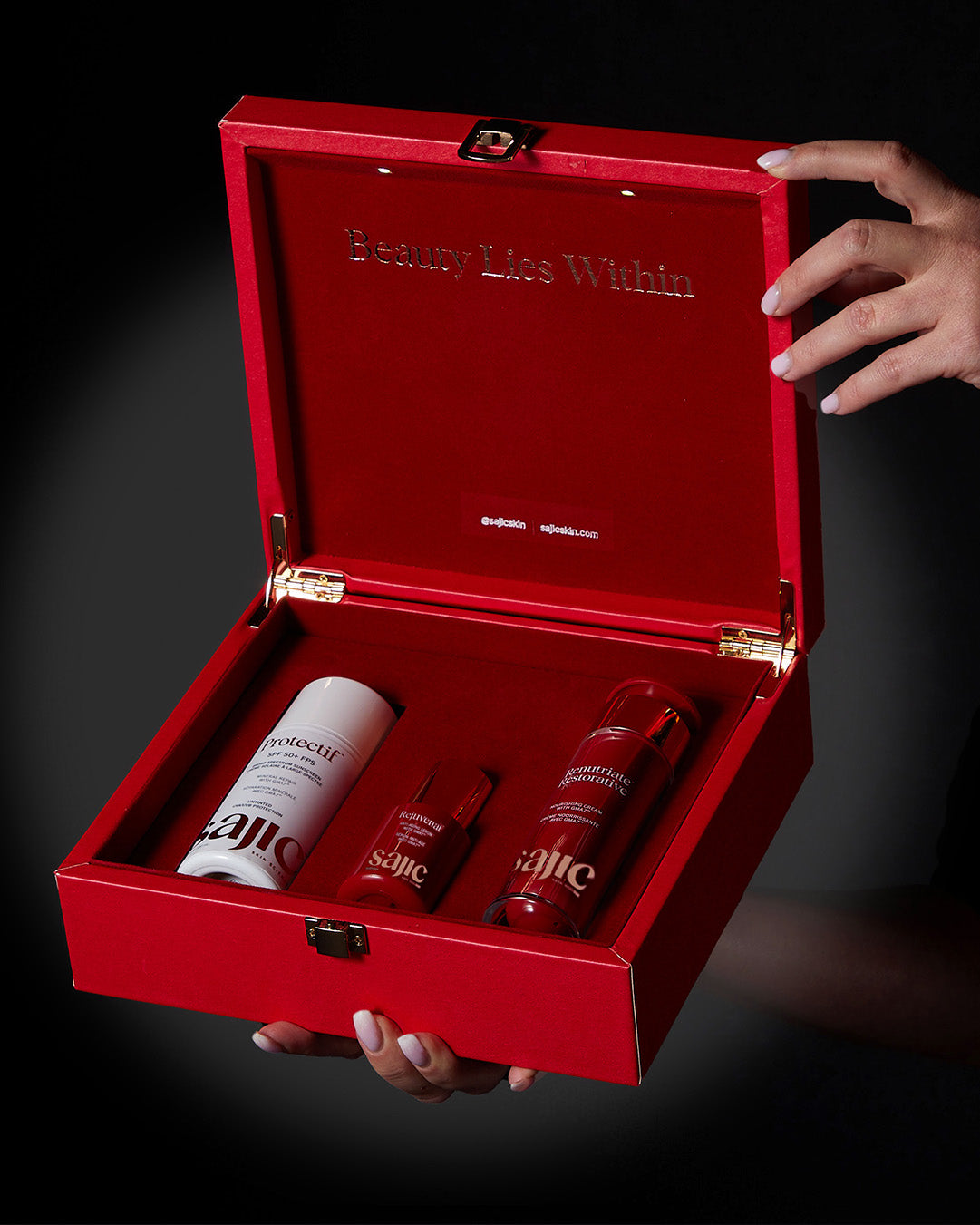
- Rejuvenat by Sajic Skin Science — Dr. Sajic's antioxidant serum with hydroxytyrosol (Hidrox), peptides, and GMA7 delivery
- About Dr. Dusan Sajic, MD, FRCPC, FAAD
About Dr. Dusan Sajic: Board-certified medical and cosmetic dermatologist with 22+ years of clinical practice. Fellow of the Royal College of Physicians and Surgeons of Canada (FRCPC) and the American Academy of Dermatology (FAAD). Founder of Sajic Skin Science. Published in the Journal of Cosmetic Dermatology (PMID 33740839).


