
PIH & PIE: Post-Inflammatory Marks


A Focused Guide To Dark And Red Marks After Acne, Irritation, Or Procedures

Board-Certified Dermatologist

Updated 7 min read

Pink and red marks left behind from acne or inflammation are common — and frustrating. The good news: PIH (brown marks) and PIE (red marks) respond to different treatments, and most cases improve significantly with the right protocol.

PIH — Post-Inflammatory Hyperpigmentation

  • Brown or gray-brown marks
  • Appears after acne, eczema, rashes, burns, or procedures
  • Caused by extra melanin produced during inflammation
  • More common and persistent in skin of color

PIE — Post-Inflammatory Erythema

  • Pink, red, or purple marks
  • Left behind after acne or irritation
  • Caused by dilated surface blood vessels — not pigment
  • Often seen in lighter skin tones but can occur in any type
01

Treat the trigger first

— Control acne, eczema, or other inflammatory conditions

Marks won't fade if the underlying inflammation keeps producing new ones. Address the source before chasing the symptom.

What Helps:

  • Eating enough protein (crucial for skin and muscle)
  • Reducing excess sugar and refined carbs
  • Maintaining healthy muscle mass
  • Strategic supplementation: Creatine, Hydrogen support
02

Protect from light daily

— Broad-spectrum mineral SPF 30–50+ every morning

Iron oxides help block visible light, which deepens existing pigment marks.

What Helps:

  • Eating enough protein (crucial for skin and muscle)
  • Reducing excess sugar and refined carbs
  • Maintaining healthy muscle mass
  • Strategic supplementation: Creatine, Hydrogen support
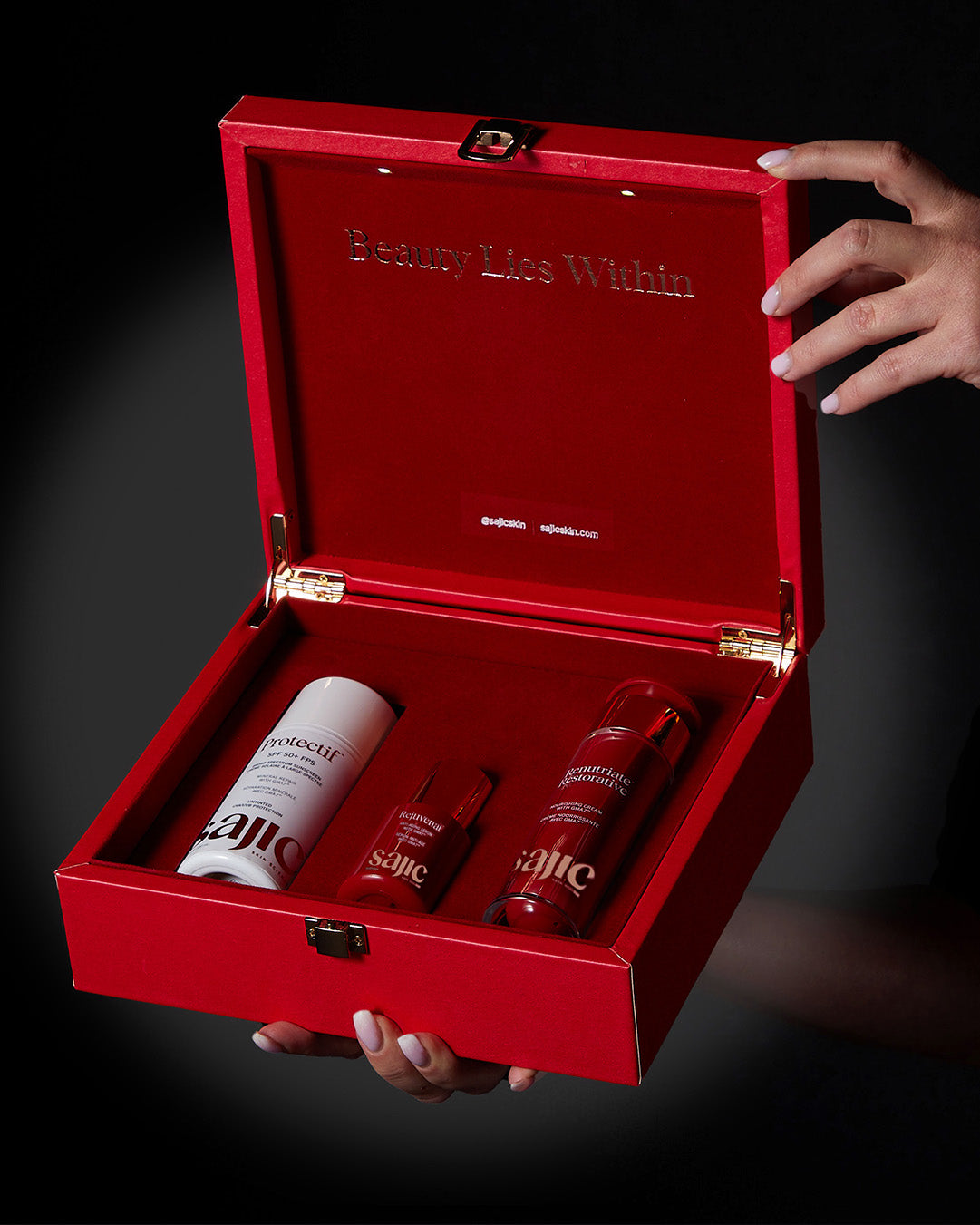
Featured: Protectif® Mineral SPF 50+

Transparent zinc + visible light protection via iron oxides.

Shop Protectif →
03

Avoid picking, squeezing, or harsh scrubs

— These prolong inflammation and worsen marks

Mechanical irritation extends the inflammatory phase and deepens both PIH and PIE.

What Helps:

  • Eating enough protein (crucial for skin and muscle)
  • Reducing excess sugar and refined carbs
  • Maintaining healthy muscle mass
  • Strategic supplementation: Creatine, Hydrogen support
04

Use evidence-based treatments

— Start with topicals, add oral or device-based options when needed

The stepwise approach below has the strongest clinical support for both pigmentation and erythema.

What Helps:

  • Eating enough protein (crucial for skin and muscle)
  • Reducing excess sugar and refined carbs
  • Maintaining healthy muscle mass
  • Strategic supplementation: Creatine, Hydrogen support

Treatment of PIH — Brown & Dark Marks

Step 1

Foundational Routine

— Morning + evening, every day

Morning: Gentle cleanser → Rejuvenat® Peptide Serum (supports repair, reduces triggers) → Antioxidant serum (Vitamin C) → Protectif® Mineral SPF 50+ (transparent zinc + visible light protection).

Evening: Gentle cleanser → Renutriate® Restorative Cream (barrier support and base for compounds) → Prescription/OTC topicals as instructed.

What Helps:

  • Eating enough protein (crucial for skin and muscle)
  • Reducing excess sugar and refined carbs
  • Maintaining healthy muscle mass
  • Strategic supplementation: Creatine, Hydrogen support
Featured: Rejuvenat® + Renutriate®

Rejuvenat reduces the inflammatory triggers driving new pigment. Renutriate doubles as a compounding base for prescription actives like TXA or retinoids.

Shop Rejuvenat →
Step 2

Evidence-Based Topicals

— Add one or layer combinations under clinician guidance

Hydroquinone (HQ): 4% is standard. Triple combination cream (HQ + tretinoin + steroid) often yields better results.

Retinoids: Tretinoin, adapalene, or tazarotene. Speeds cell turnover to help both acne and pigment.

Azelaic acid: 15–20% cream/gel. Particularly effective for acne-prone skin and darker skin tones (Fitzpatrick IV–VI).

Tranexamic acid & tyrosinase inhibitors: Topical TXA, Thiamidol, Cysteamine, Kojic Acid — often combined for synergistic effects.

Renutriate® is frequently used as a custom compounding base for these actives.

What Helps:

  • Eating enough protein (crucial for skin and muscle)
  • Reducing excess sugar and refined carbs
  • Maintaining healthy muscle mass
  • Strategic supplementation: Creatine, Hydrogen support
Step 3

Oral Tranexamic Acid

— Prescription, used selectively

Benefits: Prevents and treats PIH, improves laser outcomes.

Screening essential. Not suitable for patients with history of blood clots, cardiovascular issues, pregnancy, or certain medications.

When considered:

  • Moderate to severe PIH
  • High risk before procedures
  • Resistant cases
Step 4

Device-Based Treatments

— Once skin is stable

Low-energy lasers, fractional lasers, or chemical peels. Must be combined with strict photoprotection.

What Helps:

  • Eating enough protein (crucial for skin and muscle)
  • Reducing excess sugar and refined carbs
  • Maintaining healthy muscle mass
  • Strategic supplementation: Creatine, Hydrogen support

Treatment of PIE — Pink & Red Marks

PIE Basics

Caused by superficial blood vessels remaining dilated. Treating the vascular component is key — pigment-targeting topicals won't help.

Device Options

— Targeting the vascular component

Extra body fat, blood sugar spikes, and inflammation make skin age faster.

What Helps:

  • PDL (595 nm) — gold standard for redness
  • KTP (532 nm) — excellent for superficial lesions
  • Nd:YAG (1064 nm) — targets deeper vessels
  • Vascular IPL — for diffuse redness

Skincare Support

— Calm, repair, and prevent flares

Extra body fat, blood sugar spikes, and inflammation make skin age faster.

What Helps:

  • Rejuvenat® — calms inflammation
  • Renutriate® — reduces sensitivity
  • Protectif® — prevents heat flares
Featured: Rejuvenat® + Renutriate® + Protectif®Shop the Trio →

Important

Systemic steroids and tetracycline antibiotics may control inflammation but do not directly lighten PIH pigment marks.

Quick Summary

"Treatment should always be individualized and guided by a qualified clinician."

PIH (brown): topical brighteners, retinoids, oral TXA, conservative lasers.

PIE (red): vascular lasers + anti-inflammatory, barrier-supportive care.

Tell Dr. Sajic's team whether your marks are brown, red, or both — and get a personalized routine matched to your skin type and history.

Book a Virtual Consult